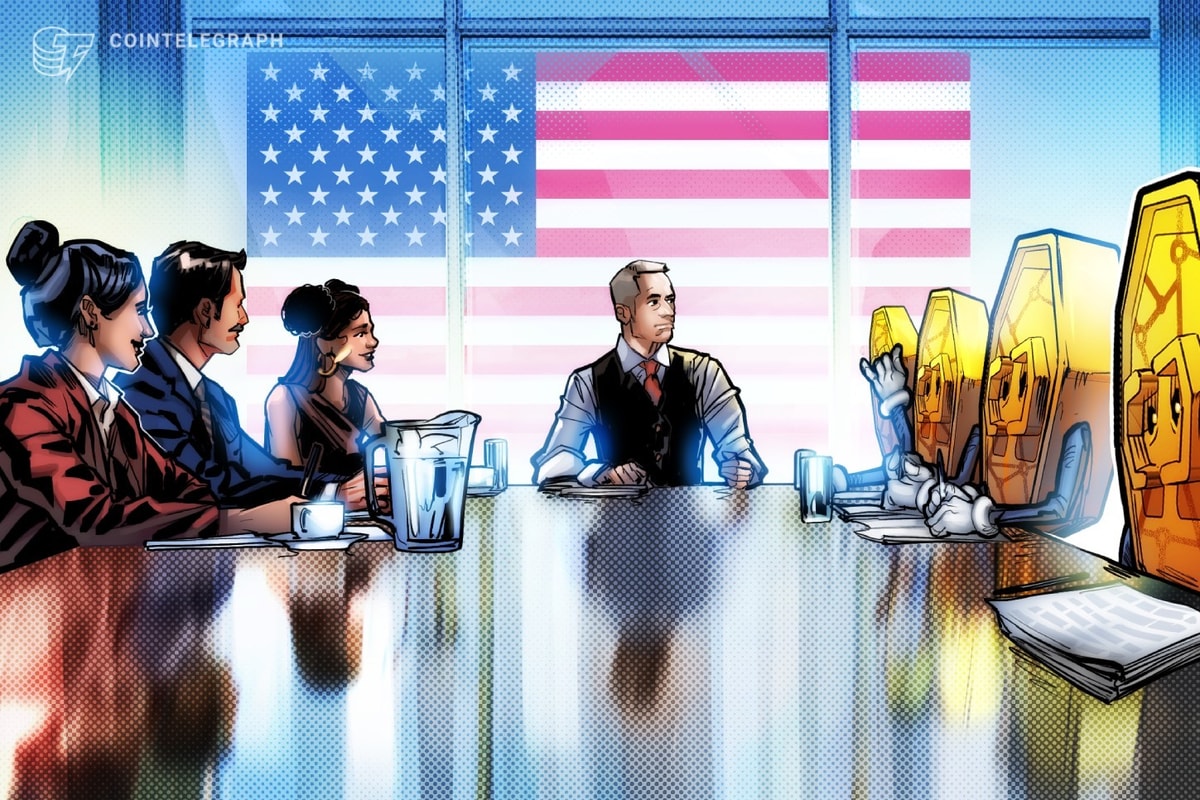

The Federal Reserve is seeking public feedback on a new “payment account” that could give fintechs and crypto companies easier access to the central bank’s systems.
News
The US Federal Reserve is requesting public input on its proposed “payment account,” dubbed a “skinny master account” which fintechs and crypto firms are drawn to as it would allow access to the central bank without needing the typical approvals.
“These new payment accounts would support innovation while keeping the payments system safe,” Fed Governor Christopher Waller said on Friday. In October, Waller recommended that the Fed explore the idea of implementing payment accounts to clear and settle certain transaction activities of eligible financial institutions.
Waller added the Fed is introducing the payment accounts feature to reflect the “rapid developments” in the payments industry that have led to “innovative approaches to banking” and new changes in business models.
“This tailoring could result in lower risk to the payment system and, as a result, requests for payment accounts could generally receive a streamlined review.”
Not all Fed officials agreed with the decision to seek public input, with Governor Michael Barr arguing that it could pose risks if safeguards against money laundering and terrorist financing are not clearly defined, especially for institutions the Fed does not directly supervise.
Several payment-focused crypto firms could be in the running to connect to the Fed’s banking rails, potentially strengthening the bridge between crypto and traditional banking. Among the largest US-based crypto payments companies are Circle, Coinbase, Kraken and Block, Inc.

Inclusion of crypto firms into the Fed’s banking system would mark a significant turnaround for the industry. Crypto companies last year claimed the Biden administration worked to deliberately cut them off from banking services to stifle the industry with what crypto backers have dubbed Operation Chokepoint 2.0.
Waller noted that the Fed has already been experimenting with blockchain-based payment technologies to modernize the US payment system.
Crypto wouldn’t get the same privileges
Payment platforms granted payment accounts, however, won’t receive the same privileges as big banks and Wall Street institutions that currently have master accounts.
Related: US Clarity Act unlikely to be ‘world-shaking’ for Bitcoin’s price: Brandt
Unlike master accounts, the proposed payment accounts would not earn interest, have access to Fed credit, and would be subject to balance caps, among other restrictions.
The comment period to give feedback on the payments account plan will close 45 days after publication in the Federal Register. Waller said last month that the payment account feature is expected to be operational in the fourth quarter of 2026.
Magazine: Bitcoin’s critical level is $82.5K, Ethereum ‘not done yet’: Trade Secrets